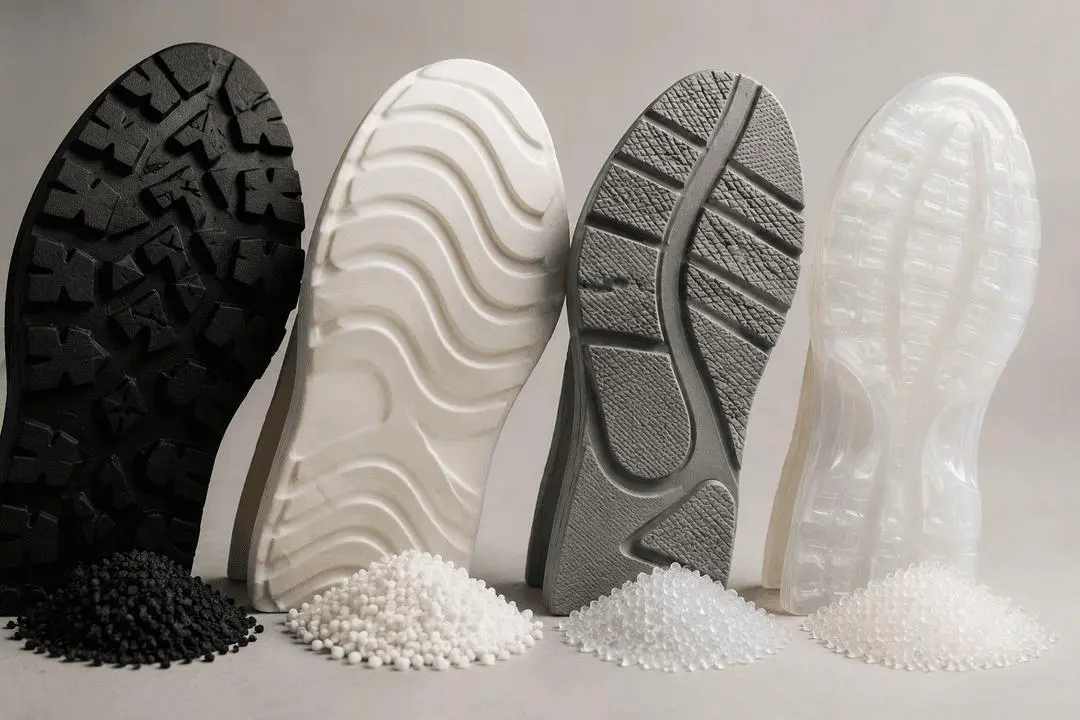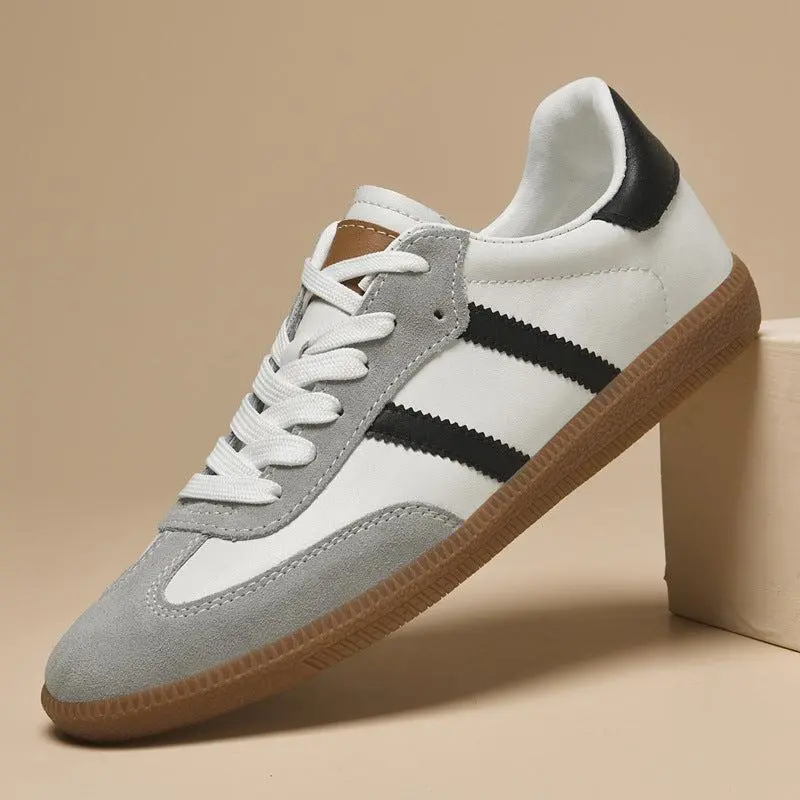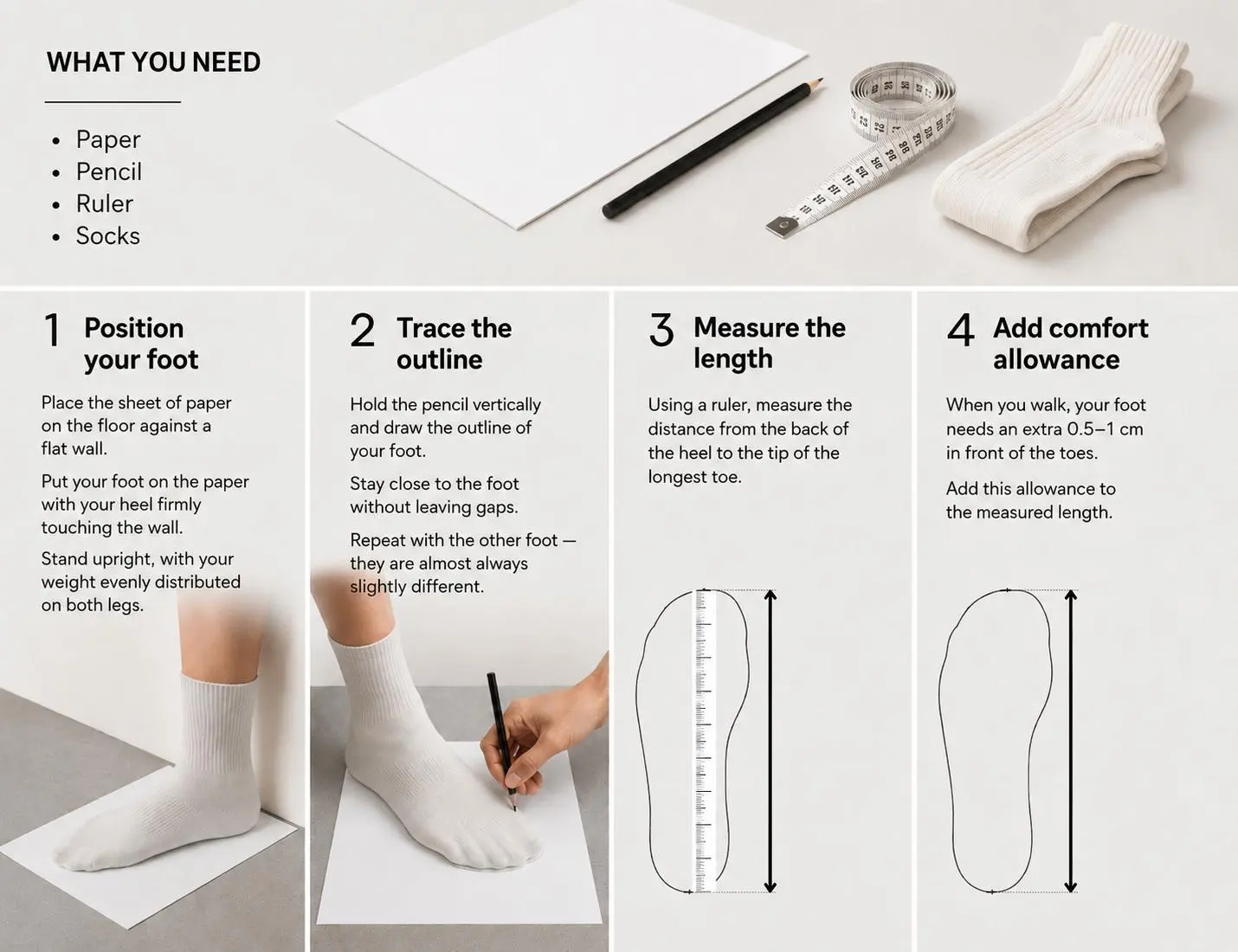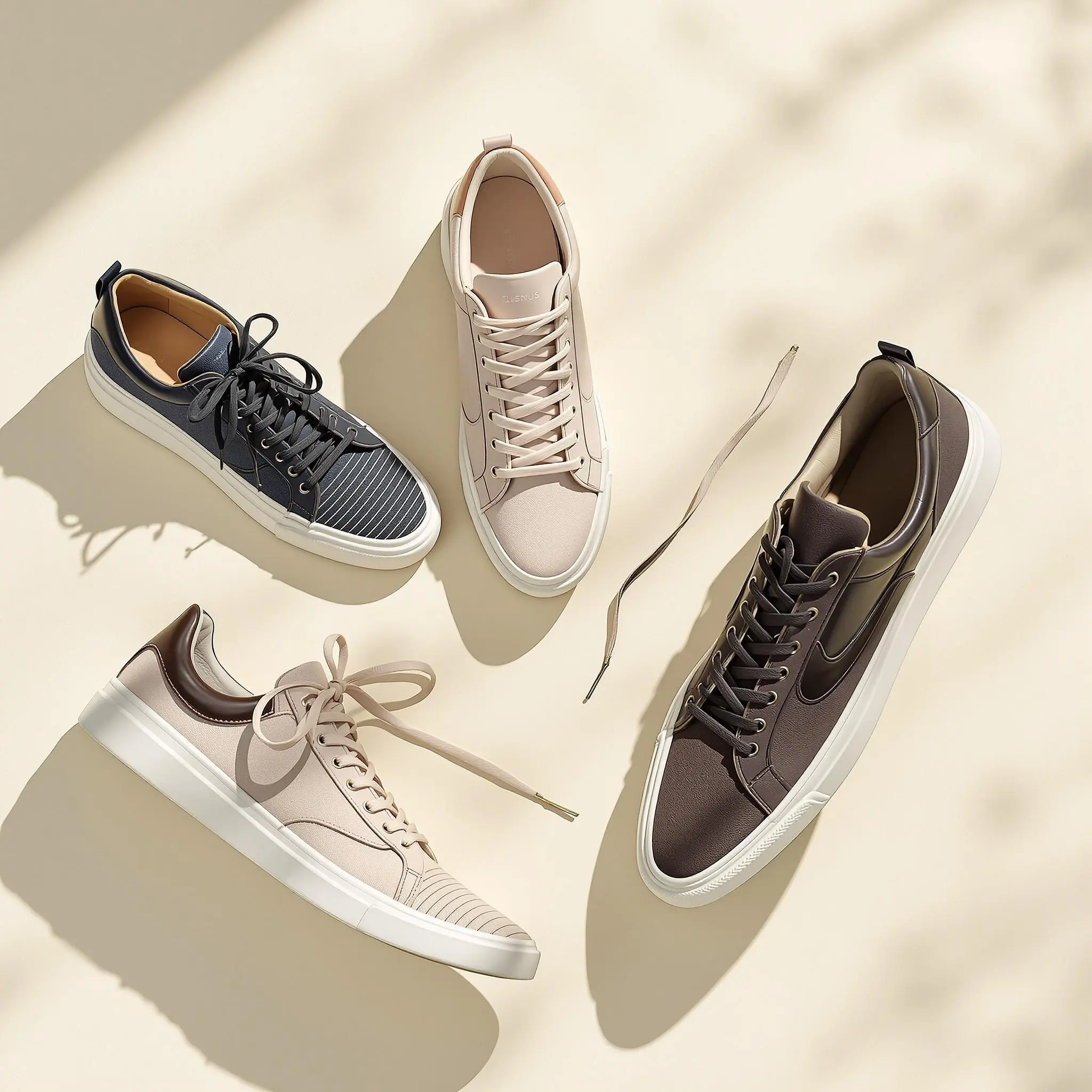

Used sneakers can look fresh and presentable with the right cleaning routine. Whether you own Adidas, Skechers, or another footwear brand, learning how to clean used sneakers at home can help remove everyday dirt, improve their appearance, and keep them in better condition.
However, not every sneaker should be cleaned in the same way. Mesh, suede, synthetic leather, and rubber soles all need different care. Using too much water, harsh chemicals, or excessive heat can damage certain materials.
In this guide, you will learn how to clean used sneakers safely, remove common stains, deal with unpleasant odors, and keep your favorite shoes looking their best.
Why Is It Important to Clean Used Sneakers Properly?
Used sneakers may have dust, dirt, surface stains, or odors from previous wear. Cleaning them correctly helps improve their appearance and makes regular shoe care easier.
Here are a few benefits of proper sneaker cleaning:
- Removes surface dirt: Regular cleaning helps prevent dirt from building up on the material.
- Improves appearance: Clean uppers and soles can make sneakers look more presentable.
- Reduces unpleasant odors: Cleaning removable insoles and allowing shoes to dry properly can help manage odors.
- Protects shoe materials: Gentle cleaning methods can help prevent unnecessary damage.
- Supports better maintenance: Regular inspections can help you notice loose stitching, worn soles, or other problems early.
Remember that cleaning cannot restore worn-out cushioning, repair damaged soles, or make heavily damaged sneakers like new again.
What You Need to Clean Used Sneakers at Home
Before starting, collect a few basic cleaning supplies. You do not necessarily need expensive sneaker-cleaning products to remove ordinary dirt.
You will usually need:
- A soft-bristled brush or an old, clean toothbrush
- A clean microfiber cloth
- A small bowl of lukewarm water
- A mild detergent suitable for the shoe material
- A soft sponge
- Clean towels or paper towels
- A small brush for cleaning the outsole
For suede shoes, use a dedicated suede brush and an appropriate suede-cleaning product.
Avoid bleach, strong household cleaners, and aggressive scrubbing. If you plan to use a new cleaning product, test it on a small, hidden area first.
Step-by-Step Guide to Cleaning Used Sneakers
Follow these steps for ordinary dirt and light stains, adjusting the method according to the shoe’s material.
Step 1: Remove the Laces and Insoles
Take out the shoelaces and removable insoles before cleaning.
Wash the laces separately using a suitable mild cleaning solution. Rinse them carefully if the material allows it, then leave them to air-dry.
Removable insoles can often be wiped gently with a slightly damp cloth and mild soap. Avoid soaking them unless their care instructions specifically allow it.
If the insoles are heavily worn or damaged, replacing them may be more effective than trying to clean them.
Step 2: Brush Away Loose Dirt
Use a dry, soft brush to remove loose dust, dried mud, and dirt from the upper material and outsole.
Pay attention to the areas around the toe, heel, stitching, and grooves in the sole.
Removing loose dirt first helps prevent it from spreading when you introduce water. Use gentle strokes, especially on mesh and delicate fabrics.
Step 3: Prepare a Mild Cleaning Solution
Mix a small amount of suitable mild detergent with lukewarm water.
Avoid making the solution too concentrated. Strong mixtures can leave residue, affect colors, or damage certain finishes.
Before applying it to the entire shoe, test it on a small, inconspicuous area and check for color transfer or other unwanted changes.
Step 4: Clean the Upper Material Gently
Dip a soft cloth or brush into the cleaning solution and remove excess liquid before cleaning.
Work in small sections using gentle circular motions. Do not soak the shoe or force water into its inner lining.
For stubborn stains, repeat the gentle cleaning process rather than scrubbing aggressively.
The correct technique depends on the material, so follow the specific instructions in the sections below.
Step 5: Clean the Rubber Outsole
Rubber outsoles often collect mud, dust, and dark marks.
Use a soft brush with a little cleaning solution to work dirt out of the tread and around the edges. Wipe away the loosened dirt with a damp cloth.
Avoid using sharp objects to remove dirt from the sole because they may scratch the material or damage its edges.
Step 6: Remove Cleaning Residue
Use a clean, slightly damp microfiber cloth to wipe away any remaining soap.
Do not rinse the entire shoe under running water unless the manufacturer’s instructions specifically permit it.
Excess detergent can leave visible marks, while too much water may damage adhesives, linings, and other components.
Step 7: Let the Sneakers Air-Dry
After cleaning, gently blot excess moisture with a clean towel.
Place the sneakers in a well-ventilated area away from direct sunlight and strong heat. You can loosely fill them with clean, absorbent paper to help maintain their shape while drying. Replace the paper if it becomes damp.
Avoid radiators, hair dryers, and other direct heat sources because excessive heat may deform materials or weaken adhesives.
Make sure the shoes are completely dry before wearing or storing them.
How to Clean Different Types of Sneakers
Different materials require different cleaning methods. Identifying the material before you begin is one of the most important parts of safe sneaker care.
How to Clean Mesh Sneakers
Mesh is common in running shoes and lightweight everyday sneakers.
To clean mesh shoes:
- Remove loose dirt with a soft brush.
- Use a lightly damp cloth or soft brush with a mild cleaning solution.
- Work gently without stretching or snagging the mesh.
- Wipe away soap residue with a clean, damp cloth.
- Let the sneakers air-dry naturally.
Avoid aggressive scrubbing because it can damage the woven fibers or change the shape of the material.
How to Clean Synthetic Leather Sneakers
Synthetic leather is often easier to wipe clean than fabric, but its surface coating can still be damaged by harsh products.
Use a soft cloth with a small amount of mild soapy water. Wipe the surface gently, then remove residue with a clean, slightly damp cloth.
Do not use abrasive brushes, strong solvents, or excessive pressure. If the material is already peeling or cracked, cleaning will not repair that damage.
How to Clean Suede Sneakers
Suede needs extra care because it can develop watermarks or lose its texture when treated incorrectly.
For routine maintenance:
- Use a clean suede brush to remove dry dirt.
- Brush gently in one direction to restore the surface texture.
- Use a suede eraser for suitable dry marks.
- For persistent stains, use a cleaner specifically designed for suede and follow its instructions.
Avoid ordinary soaking and excessive water. If the suede is badly stained, consider a professional shoe-cleaning service.
How to Clean White Sneakers
White sneakers can show dirt more easily than darker footwear, particularly around the toe and outsole.
Start by brushing away loose dirt. Then clean the upper with a material-appropriate solution and a soft cloth or brush.
For white rubber soles, gentle brushing with mild soapy water can help remove ordinary marks.
Do not assume that every white sneaker can be treated with bleach or strong whitening products. These can cause yellowing, discoloration, or damage.
How to Remove Bad Smell from Used Sneakers
Unpleasant shoe odors can develop when sweat and moisture accumulate inside footwear.
Cleaning the shoes is a useful first step, but drying them properly is just as important.
Try these practical methods:
Clean the removable insoles: Wipe them according to their material and care instructions. Replace them if they remain unpleasant-smelling or are heavily worn.
Allow enough drying time: Leave the sneakers in a well-ventilated place until they are completely dry.
Use moisture-absorbing products: Shoe-safe moisture absorbers can help keep the inside drier between uses. Follow the product instructions.
Rotate your footwear: If possible, avoid wearing the same pair every day so it has enough time to dry between uses.
Avoid spraying large amounts of perfume inside your shoes. Fragrance may temporarily cover an odor without addressing its source.
If the odor persists despite cleaning and drying, or the shoes have visible mold, it may be better to stop wearing them and seek professional advice about whether they can be safely cleaned.
Common Mistakes to Avoid When Cleaning Used Sneakers
Even a simple cleaning routine can cause problems if the wrong products or methods are used.
Putting Every Sneaker in the Washing Machine
Some sneakers may be machine-washable, but others can be damaged by agitation, prolonged soaking, or heat. Always check the manufacturer’s care instructions before considering machine washing.
Using Too Much Water
Excessive moisture may affect adhesives, cushioning, linings, and the shape of certain shoes. Use controlled amounts of water instead.
Scrubbing Too Hard
Hard brushing can damage mesh fibers, roughen synthetic leather, and affect delicate finishes. Gentle, repeated cleaning is generally safer.
Drying Shoes in Direct Heat
Strong sunlight and direct heat can cause discoloration, deformation, or adhesive problems. Natural air-drying is the safer general approach.
Mixing Different Cleaning Chemicals
Combining household cleaning products can produce harmful reactions or damage footwear. Use one appropriate product at a time and follow its instructions.
How to Keep Your Sneakers Clean for Longer
Once your sneakers are clean, a few simple habits can help maintain their appearance.
- Brush away loose dirt after particularly dusty outings.
- Wipe small stains before they become difficult to remove.
- Store footwear in a clean, dry, ventilated area.
- Allow shoes to dry fully after wearing them in damp conditions.
- Use a suitable protective spray only when it is compatible with the shoe material.
- Inspect the stitching, outsole, and upper periodically for signs of damage.
Good maintenance does not require daily deep cleaning. Gentle, regular care is often more useful than repeatedly washing your sneakers.
Are Used Branded Sneakers Worth Buying?
Used branded sneakers can be a practical choice for shoppers looking for affordable footwear. However, the value of a pair depends on more than its brand name.
Before buying, consider the condition of the sole, cushioning, upper material, and inner lining. Make sure the shoes fit comfortably and that the seller describes their condition accurately.
Popular brands such as Adidas and Skechers offer different styles, but no brand guarantees that a previously worn pair will remain comfortable or durable. Check each pair individually.
For more guidance, read our existing articles: How to Check the Condition of Used Sneakers Before Buying and How to Buy Used Branded Shoes Online in Pakistan.
These guides can help you make a more informed decision before purchasing your next pair.
Final Thoughts
Learning how to clean used sneakers at home can help you maintain their appearance without spending unnecessarily on specialist services for every small stain.
Start with a gentle cleaning method, identify the shoe material, avoid excessive moisture, and allow enough time for natural drying. Most importantly, remember that cleaning improves appearance but cannot fix structural damage or restore worn cushioning.
With the right care, you can keep suitable sneakers cleaner, fresher, and ready for everyday use.
At Solevix, we believe informed footwear choices start with understanding quality, comfort, and proper care. Explore our website to discover available footwear and find a style that suits your needs.
Frequently Asked Questions
Can I clean used sneakers with soap and water?
For many mesh, canvas, and synthetic leather sneakers, a mild soap solution can help remove ordinary dirt. Use minimal moisture, test a hidden area first, and follow the manufacturer’s care instructions.
Can I use baking soda to remove shoe odor?
Some people use baking soda to absorb odors, but it can leave residue and may not be suitable for every material. A shoe-safe odor absorber, proper cleaning, and complete drying are safer general starting points.
How often should I clean my sneakers?
It depends on how frequently you wear them and where you use them. Remove loose dirt when needed and clean visible stains promptly. Deep cleaning should only be done when necessary and using a suitable method.
Can I dry sneakers with a hair dryer?
It is generally better to avoid direct heat. A hair dryer can expose materials and adhesives to temperatures that may cause damage. Let your sneakers air-dry in a well-ventilated area.
How can I make used sneakers look better?
Remove loose dirt, clean the material with an appropriate gentle method, wipe away residue, and allow the shoes to dry fully. Clean laces and suitable insoles can also improve their overall appearance.
Should I clean used sneakers immediately after buying them?
Inspect the shoes first and clean them according to their material and condition. If they are visibly dirty, have an unpleasant odor, or need freshening, a suitable cleaning routine before wearing them is sensible. Avoid wearing shoes that show signs of mold or significant structural damage.