Buying used sneakers can help you find interesting styles without paying the full price of a new pair. But before you order, it is important to understand the condition of the shoes.
Whether you are browsing used Nike sneakers, Adidas shoes, or casual footwear from another brand, a few simple checks can help you make a more informed decision.
Here is what to inspect before buying pre-owned sneakers online.
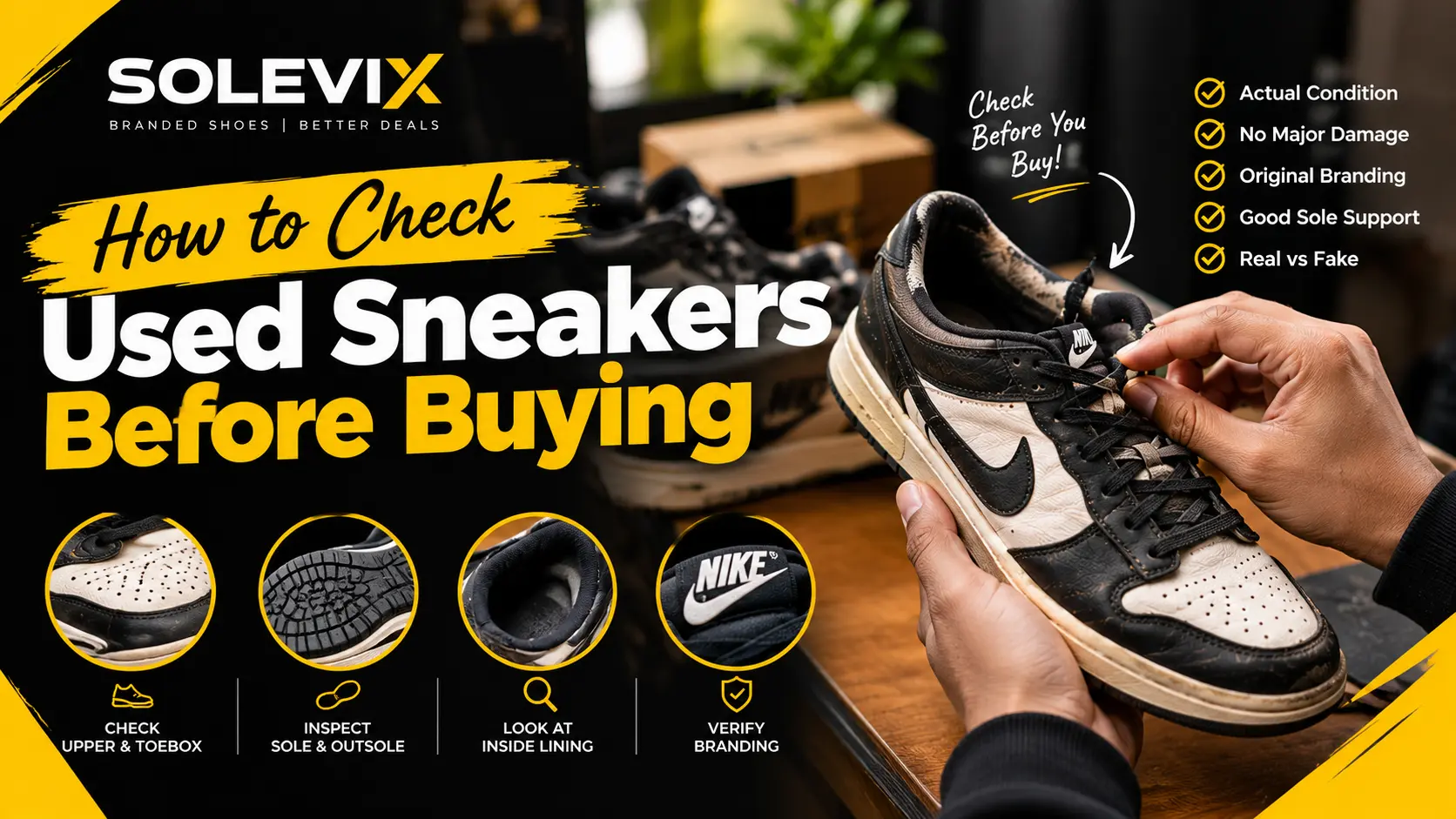
1. Inspect the Shoe Upper
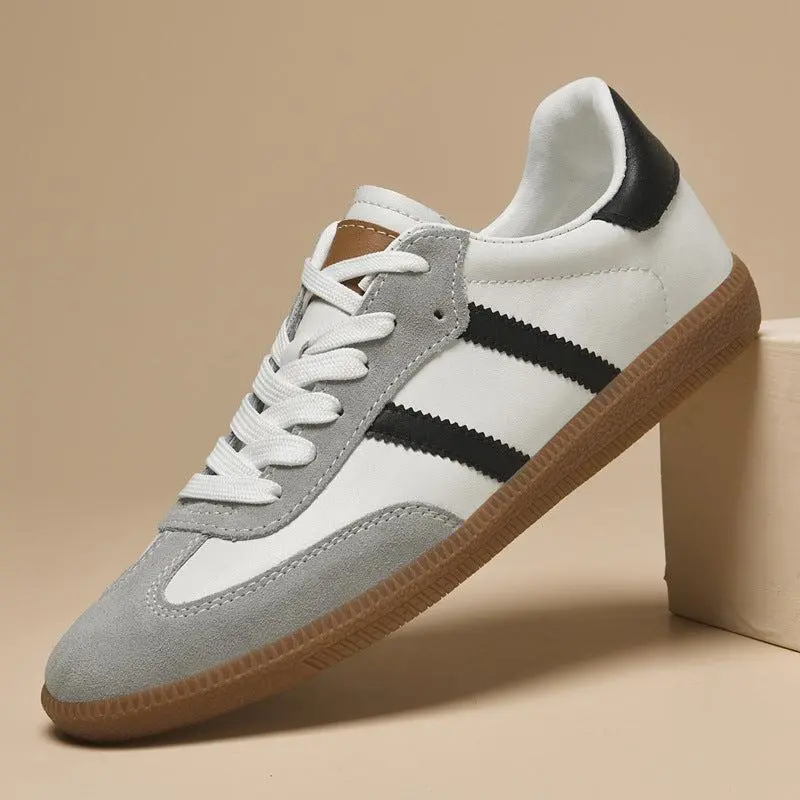
The upper is the part of the shoe that covers the top and sides of your foot. Depending on the model, it may be made from leather, mesh, knit fabric, suede, or synthetic materials.
Look closely at the photographs for:
- Scratches, stains, or discoloration.
- Creases around the toe box.
- Loose threads or damaged stitching.
- Peeling material or visible cracks.
- Holes, tears, or separation around the edges.
Some creasing is common in pre-owned footwear. What matters is whether the condition is clearly shown and acceptable to you.
If a product listing does not show a particular area clearly, ask the seller for an additional photograph before ordering.
2. Examine the Soles
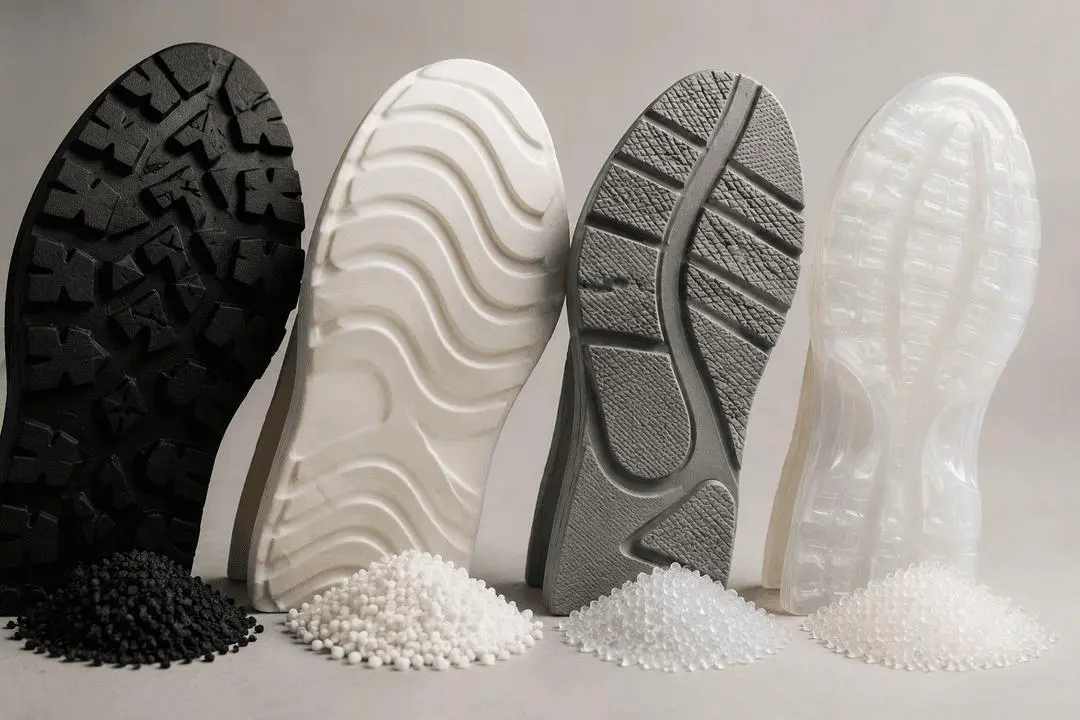
The outsole is the bottom part of the shoe that makes contact with the ground. It is one of the most useful areas to inspect when evaluating used sneakers.
Check for:
- Worn-down tread patterns.
- Uneven wear on the heel or forefoot.
- Cracks or missing pieces of rubber.
- Signs that the sole is separating from the upper.
- Damage that could affect normal use.
A shoe may look good from the side while having significant wear underneath. That is why clear photographs of the entire outsole are important.
For running and sports shoes, do not judge performance from appearance alone. Cushioning, stability, and support can deteriorate with use even when the shoe looks acceptable.
3. Check the Heel and Inner Lining
The heel area experiences repeated friction during wear. Look for crushed heel counters, torn lining, excessive rubbing, or other damage around the back of the shoe.
Also inspect the inside for:
- Worn or damaged lining.
- Missing or heavily worn insoles.
- Unusual stains or visible moisture damage.
- Damaged interior seams.
These details can affect comfort and may help you decide whether the condition matches the listed price.
4. Look for Sole Separation
Sole separation happens when the sole begins to detach from the upper. It may appear as a gap around the toe, sides, or heel.
Review the edges of the shoe carefully in close-up photographs. If you notice a gap or peeling adhesive, ask the seller whether it is present on the actual pair being sold.
Do not assume that every visible mark is a defect, but do take structural damage seriously when deciding whether the shoes are suitable for your needs.
5. Confirm the Size
Before buying used branded shoes online, check the size displayed in the product listing and, when available, the size label inside the shoe.
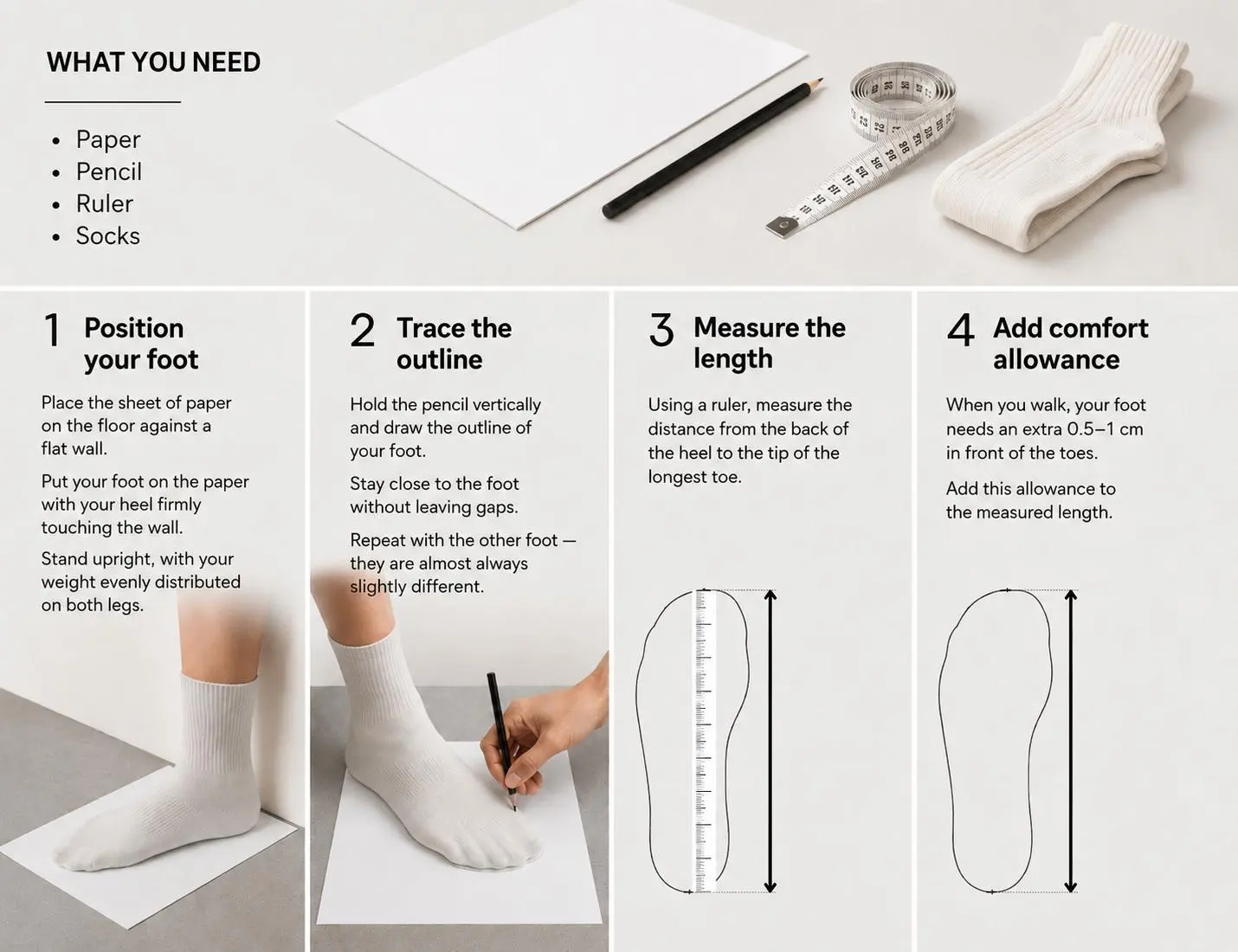
Remember that sizing can differ across brands and models. If you are between sizes or unfamiliar with a particular model, request measurements or additional information before ordering.
Do not assume that a familiar brand will fit exactly like every other pair you own.
6. Review the Photographs Carefully
When shopping online, you cannot physically inspect the shoes before purchase. Product photographs therefore play an important role.
Ideally, a listing should show:
- Both shoes together.
- The outer and inner sides.
- The toe box and heel.
- The soles and tread.
- The insoles and size labels, where possible.
- Any notable imperfections.
Actual photographs of the pair being sold are especially useful because pre-owned shoes can vary considerably in condition, even when they share the same model name.
If the photos are unclear or important areas are missing, ask for more details before placing an order.
7. Do Not Rely on Logos Alone to Verify Authenticity
A familiar logo does not, by itself, prove that a product is authentic. If you are considering a branded pair, review the available product information and ask the seller about any verification evidence they can provide.
Check details such as labels, construction, stitching, and model information where possible. However, visual inspection alone cannot guarantee authenticity.
Be cautious about claims that cannot be supported by evidence, particularly when a deal seems unusually attractive.
8. Consider the Price Alongside the Condition
A reasonable price depends on more than the original retail price of the shoes. The specific model, current demand, condition, and remaining usable life all matter.
Compare similar listings and consider the following questions:
- Is the upper in good condition?
- Is the tread still suitable for my intended use?
- Are there any undisclosed defects?
- Do the photos show the actual pair?
- Are delivery charges included in the total cost?
A lower price is not necessarily better value if the shoes have damage that makes them unsuitable for you.
9. Ask Questions Before Placing Your Order
If you are unsure about a pair, contact the seller before purchasing. Useful questions include:
- What is the condition of the soles?
- Are there any defects not shown in the photographs?
- Is the size label visible?
- Are the photographs of the exact pair being sold?
- What happens if the item arrives damaged or differs materially from its description?
Review the seller’s return policy so you know how to report a problem after delivery.
Browse Available Footwear at Solevix
At Solevix, we aim to help shoppers explore pre-owned branded footwear with useful product details and photographs. Availability, size, and condition vary by pair, so review the individual listing before making your choice.
Explore our Used Branded Shoes collection to see available options.
Final Thoughts
Checking the upper, soles, heel, inner lining, sizing, and product photographs can help you assess used sneakers more carefully before buying.
No single inspection can guarantee that a pair is perfect, but asking the right questions and understanding the condition can reduce uncertainty and help you make a more informed purchase.
Take your time, compare your options, and choose footwear that matches your budget and intended use.