When buying sneakers or branded footwear, most people focus on the brand, colour, design, and overall appearance. However, one important feature often gets overlooked: the shoe sole.
The sole plays an important role in how footwear feels, performs, and handles everyday use. Different sole materials offer different characteristics, including flexibility, grip, cushioning, durability, and weight.
Understanding the types of shoe soles can help you make a more informed decision when purchasing running shoes, casual sneakers, or everyday footwear.
Whether you are exploring Nike, Adidas, Puma, New Balance, ASICS, or other popular footwear brands, knowing about sole materials can make comparing different shoes easier.
In this guide, we will explore common shoe sole materials, their characteristics, and what to consider before choosing your next pair.
Why Are Shoe Soles Important?
A shoe sole is the bottom part of footwear that comes into contact with the ground. Its construction can influence comfort, traction, flexibility, and the overall wearing experience.
A well-designed sole can offer several benefits:
- Provides cushioning during everyday movement.
- Helps improve traction on different surfaces.
- Supports comfortable walking.
- Influences the overall weight of footwear.
- Contributes to the shoe’s structure and flexibility.
Not every sole is designed for the same purpose. Some are made for running, while others are designed for casual wear, sports, or everyday activities.
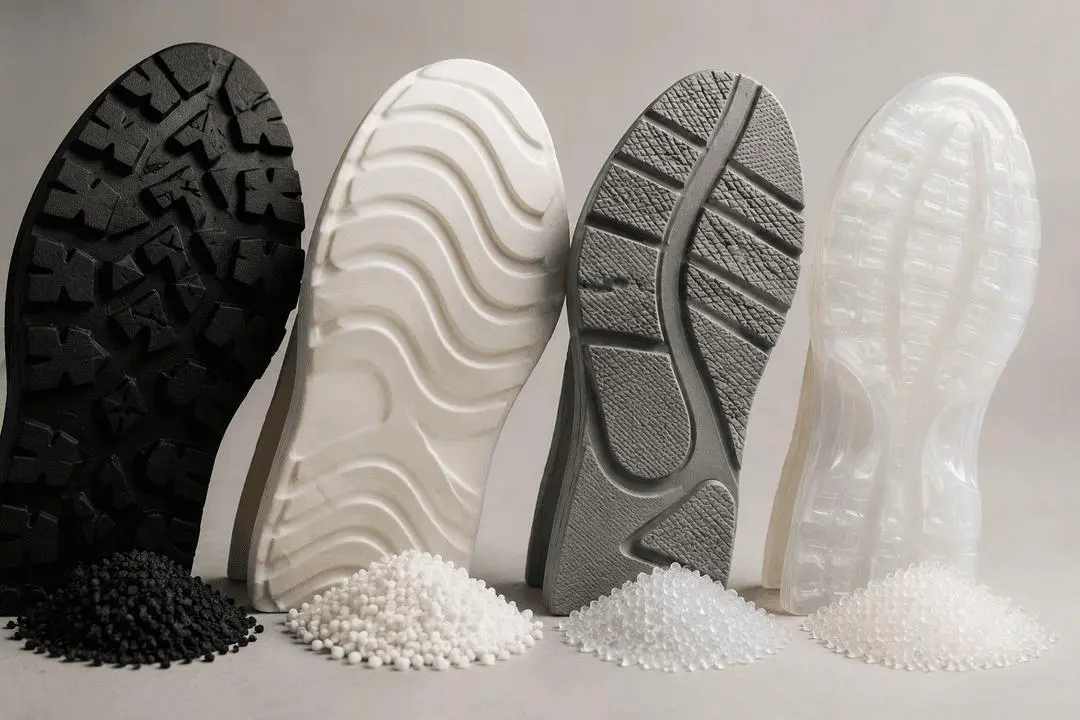
6 Common Types of Shoe Soles
Let’s explore six commonly used sole materials and constructions found in modern footwear.
1. Rubber Soles
Rubber is one of the most commonly used materials in footwear outsoles.
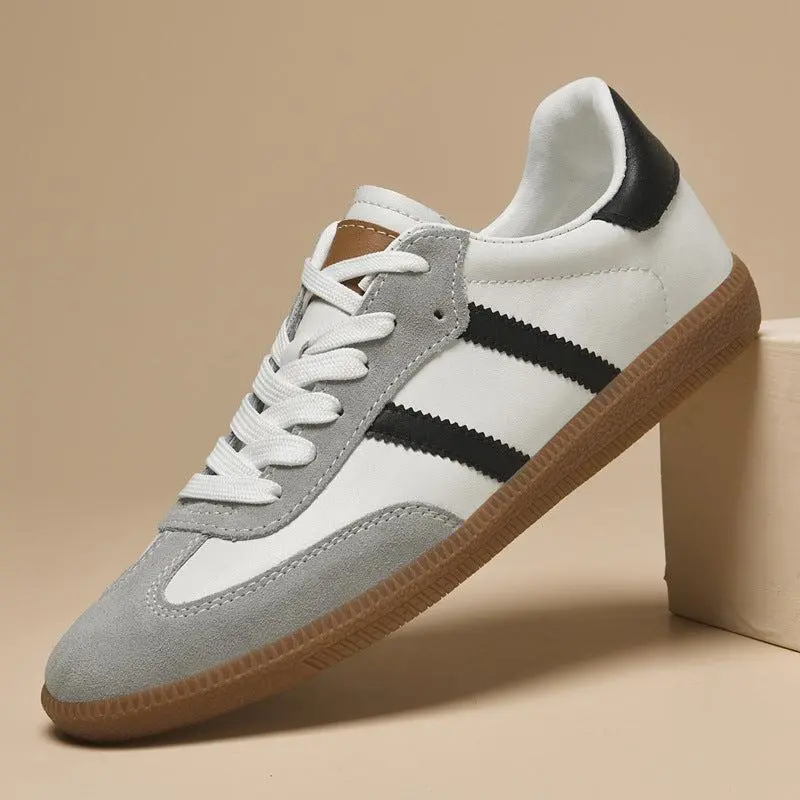
Rubber soles are popular because they can provide good traction and resistance to everyday wear. They are commonly found in casual sneakers, walking shoes, and athletic footwear.
Key characteristics:
- Good grip on many surfaces.
- Generally suitable for everyday use.
- Available in different textures and patterns.
- Can offer good resistance to abrasion.
Best suited for: Casual sneakers, everyday footwear, and many types of athletic shoes.
2. EVA Soles
EVA stands for Ethylene Vinyl Acetate. It is a lightweight foam material widely used in modern footwear.
EVA is commonly found in the midsoles of running shoes and walking sneakers because of its cushioning properties.
Key characteristics:
- Lightweight construction.
- Soft and cushioned feel.
- Flexible in many shoe designs.
- Helps reduce the overall weight of footwear.
Best suited for: Running shoes, walking shoes, and lightweight everyday sneakers.
3. TPU Soles
TPU stands for Thermoplastic Polyurethane. It is a versatile material used in different footwear components.
Depending on its formulation and construction, TPU can offer flexibility, strength, and resistance to wear. Some shoes use TPU in their outsoles, while others incorporate it into supportive structural components.
Key characteristics:
- Strong and versatile material.
- Available in different hardness levels.
- Can provide structural support.
- Often used in performance footwear.
Best suited for: Athletic footwear, performance sneakers, and shoes requiring supportive components.
4. PU Soles
PU stands for Polyurethane. It is another material used in footwear manufacturing.
PU soles can provide cushioning and flexibility, depending on their formulation and design.
Key characteristics:
- Can offer a comfortable feel.
- Available in different densities.
- Used in various footwear styles.
- Can provide cushioning and support.
Best suited for: Casual shoes, comfort footwear, and selected athletic designs.
5. PVC Soles
PVC stands for Polyvinyl Chloride. It is a synthetic material used in different footwear applications.
PVC soles can be manufactured in different shapes, textures, and hardness levels.
Key characteristics:
- Can be produced in different designs.
- Available in various hardness levels.
- Used in different footwear categories.
- Can be cost-effective for certain shoe constructions.
Best suited for: Selected casual footwear, sandals, and general-purpose shoes.
6. Leather Soles
Leather soles are traditionally associated with formal and dress footwear.
They offer a classic appearance and are commonly found in certain dress shoes and premium footwear designs.
Key characteristics:
- Traditional and elegant appearance.
- Can develop a distinctive appearance with use.
- Generally less suitable for wet conditions without appropriate care.
- Requires proper maintenance.
Best suited for: Formal shoes, dress footwear, and traditional leather footwear.
Rubber vs EVA vs TPU: Which Sole Is Better?
There is no single best sole material for every person. The right choice depends on the type of footwear and how you intend to use it.
| Sole material | Main characteristic | Common use |
|---|---|---|
| Rubber | Traction and wear resistance | Casual and sports shoes |
| EVA | Lightweight cushioning | Running and walking shoes |
| TPU | Versatility and structural strength | Performance footwear |
| PU | Cushioning and flexibility | Casual footwear |
| PVC | Versatile synthetic construction | Selected casual shoes |
| Leather | Traditional appearance | Formal shoes |
Remember that the overall shoe construction matters just as much as the material. Sole thickness, tread pattern, density, and design can all affect performance.
How to Choose the Right Shoe Sole
Before purchasing a pair of sneakers, consider these important factors.
1. Think About Your Daily Activities
If you walk frequently, consider footwear with suitable cushioning and a comfortable design.
For sports and running, look for shoes specifically designed for your intended activity.
2. Check the Grip
Look at the outsole pattern and material. A suitable tread design can help provide traction on the surfaces where you normally walk.
3. Consider the Weight
If you prefer lightweight footwear, check the overall weight of the shoes. EVA foam is commonly used in lightweight footwear designs.
4. Check Flexibility
Different footwear designs offer different levels of flexibility. The shoe should feel appropriate for its intended use.
5. Inspect the Overall Condition
When purchasing pre-owned branded shoes, carefully inspect:
- The outsole for visible wear.
- The sole edges for separation.
- The midsole for cracks or damage.
- The tread pattern for remaining depth.
- The overall condition of the footwear.
These checks can help you make a more informed purchase.
Does the Sole Material Affect Shoe Comfort?
Yes, sole construction can influence how a shoe feels when worn.
However, comfort is not determined by the material alone.
Other factors include:
- Shoe size and fitting.
- Midsole thickness.
- Cushioning design.
- Arch support.
- Upper material.
- Overall shoe construction.
Two sneakers made with similar materials can still feel very different because of their design and construction.
This is why trying on footwear and checking its actual condition are important whenever possible.
Final Thoughts: Choose Your Shoes Wisely
Understanding the different types of shoe soles can help you make smarter footwear decisions.
Rubber, EVA, TPU, PU, PVC, and leather each have different characteristics and applications. The best option depends on your preferences, intended use, and the overall construction of the shoe.
At SOLEVIX, we believe informed customers make better shopping decisions. Explore our collection of pre-owned branded footwear and review the available product photographs, sizes, prices, and condition details before ordering.